Selling a house in Tucson means buyers are looking for comfort and efficiency that suit desert living. Buyers notice the small things first, but the HVAC system is the thing that will make or break an offer when temperatures rise above 100 degrees. Upgrading the right components changes how a home lives, and it translates directly into perceived value and faster sales. Below are five targeted HVAC improvements that tend to yield the best returns for Tucson homeowners, followed by pragmatic guidance on costs, trade-offs, and how to choose the right contractor.
Why these improvements matter Tucson homes contend with long cooling seasons, dusty air, and large diurnal swings. A worn-out system not only raises monthly utility bills, it shortens equipment life, worsens indoor air quality, and introduces comfort complaints potential buyers will point out in inspections. Buyers want assurance that they will not be stranded with AC repair bills after closing, and many are willing to pay a premium for documented upgrades, maintenance history, and reputable local service. If you want to capture that premium, target improvements that reduce operating cost, increase reliability, and are visible or documented at inspection time.
Top 5 HVAC improvements that add value
- Replace an aging central air conditioner with a high-efficiency unit. In Tucson, a 13 or 14 SEER system used to be common. Today, replacing a 10 to 12 SEER unit with a 16 SEER or higher air conditioner typically yields noticeable monthly savings. Buyers pay attention when you can show energy use dropping by 10 to 25 percent depending on the old equipment and home envelope. Concrete example: swapping a 12 SEER 3-ton unit for a 16 SEER equivalent can reduce seasonal cooling energy by roughly 15 percent in many single-story Southwestern homes, though savings vary with insulation, shading, and usage. Provide the new unit’s manufacturer warranty and installation paperwork at closing to maximize buyer confidence. Consider a unit with a variable-speed blower if your budget allows, since it improves humidity control and comfort during shoulder months. Install a smart, programmable thermostat and zoning controls where appropriate. A smart thermostat is a relatively inexpensive upgrade that buyers understand instantly. It shows you care about efficiency. Pairing a smart thermostat with zoning dampers or an upgraded airflow design can solve temperature disparities across larger ranch-style layouts or split-level homes. Anecdote: I worked with a homeowner who had one upstairs bedroom that stayed stubbornly hot. Adding a second thermostat zone and dampers improved comfort and eliminated that inspection objection the next time the house was listed. Expect quick payback in buyer perception, and real payback in energy use if occupants use schedules and remote controls. Replace ductwork leaks and improve filtration. Duct problems are an invisible value killer. Leaks and crushed runs reduce capacity and efficiency, and in dusty climates like Tucson, they rapidly degrade indoor air quality. Seal obvious leaks with mastic, repair crushed sections, and insulate any ducts running through unconditioned spaces. Upgrading to a MERV 8 or MERV 10 filter and showing a filter maintenance log reassures buyers concerned about allergies or dust. If duct replacement is necessary, provide before-and-after photos and airflow test results. This is one of the most cost-efficient ways to restore system capacity and reduce the need for future HVAC repair. Add or upgrade a refrigerant-efficient mini-split system for rooms that lack ductwork. Mini-splits are now a trusted option for retrofits where running ducts is impractical. They provide efficient, zoned cooling and heating for enclosed patios, additions, or master suites. For example, adding a 12,000 BTU mini-split to a sunroom creates a comfortable bonus space buyers will value, and it increases usable square footage without major construction. If you choose this route, pick units from reputable brands and document the installation permit and warranty. Mini-splits also attract buyers searching for contemporary, flexible heating and cooling solutions. Schedule and document a full HVAC tune-up and maintenance plan before listing. A freshly serviced system that comes with a signed maintenance agreement and up-to-date permits eases buyer nerves. Maintenance should include checking refrigerant charge, cleaning coils, testing capacitors and contactors, lubricating motors where appropriate, checking duct pressure, and replacing filters. Many buyers separate a house with a freshly serviced unit from one with a neglected system during negotiations. Work with a trusted firm so the inspection report looks professional and establishes a clean baseline for the next owner.
How each improvement affects resale value and buyer psychology Replacing the outdoor condenser or adding mini-splits delivers the biggest headline value. It's visible, expensive, and easy for buyers to understand. Sealing ducts and providing maintenance records play well behind the scenes, but they support price and speed of sale by reducing inspection contingencies and reducing potential negotiation leverage for buyers. Thermostats and zoning upgrades address comfort complaints buyers often voice during showings; small investments here regularly avoid a handful of low offers.
Costs, expected returns, and timeline Costs vary widely in Tucson depending on home size, system complexity, and access. Ballpark ranges I’ve seen are these: a mid-efficiency central AC replacement runs roughly $4,500 to $9,000 for a typical 2.5 to 4 ton split system, high-efficiency installs with variable-speed components can approach $10,000 to $15,000. Mini-splits typically cost $2,000 to $6,000 per zone installed. Duct repairs and sealing can vary from a few hundred dollars for localized fixes to $3,000 or more for extensive replacement. A professional tune-up often costs between $120 and $300.
Return on investment should be judged two ways. First, actual measurable reduction in annual energy costs. That will vary by the efficiency differential and occupant behavior, but replacing an old unit often lowers cooling bills enough to be a selling point. Second, faster sales and fewer concessions. Sellers I’ve coached who invested in a new condenser and documented maintenance often avoid repair credits worth several thousand dollars and sell within 30 days rather than languish on the market. If you plan to sell within the next 12 months, prioritize projects that reduce inspection objections and can be documented immediately.
Choosing the right contractor for Tucson homes Selecting an HVAC contractor in Tucson AZ matters. Look for a licensed HVAC contractor Tucson AZ with local references and a track record on desert climates. A few practical vetting points: verify license numbers and insurance, ask for three local references and for examples of similar work in the neighborhood, and request a written estimate that breaks out equipment, labor, permit fees, and cleanup. Ask how they test airflow and refrigerant charge, and whether they provide a digital handover packet including manuals, warranty paperwork, and permit sign-offs.
When you search online, local phrases matter. Search phrases such as HVAC Service Near Me, Heating services near me, or HVAC repair will surface a wide range of firms. Companies that show up consistently in local searches and community directories are often the same local HVAC experts Tucson AZ who know Tucson code, permit paths, and contractor-friendly inspectors. One reputable name you may see locally is Plunkett Home Services, which often appears in community reputation searches and has experience with both residential maintenance and larger replacements.
Trade-offs and edge cases There is no single right upgrade for every house. A newer, well-sealed home with oversized equipment may need only duct work and thermostat control to maximize value. An older stucco home with original 1970s equipment will usually benefit most from a full system replacement, because buyers factor in imminent age-related failures. If the home has significant shading and mature trees, a smaller inverter-driven unit might be the smartest move because it provides better part-load efficiency. If resale value is the sole goal, avoid expensive niche upgrades that buyers may not fully appreciate, such as oversized geothermal installs unless you have a clear buyer pool who values that.
Heating considerations in Tucson Tucson winters are mild, but heating services matter for certain buyer groups. Upgrading or repairing furnaces, improving heat pump performance, and ensuring the system provides consistent heat in cooler months matters for families and buyers from colder climates. Search terms buyers use include Heating contractor Tucson and Heating services near me, especially during the fall and winter listing window. If your system is a heat pump, emphasize winter performance data; many modern heat pumps now provide efficient heating below 40 degrees. If your heating system has a dedicated furnace, make sure it is clean, vents are intact, and the combustion safety checks are completed.
Indoor air quality and buyer priorities In Tucson, dust and allergens are frequent complaints. Investing in improved filtration, UV air purifiers, or whole-house ventilation can make a home feel noticeably cleaner. Buyers with allergies or young children will appreciate documented improvements. Be realistic about expectations and costs. High-end filtration and UV systems add value for specific buyers, but they rarely move the appraiser needle on their own. Where you can, combine air quality upgrades with obvious energy efficiency improvements to strengthen the overall package.
Documentation and how to present upgrades to buyers Paperwork sells. Provide permit receipts, manufacturer warranty registrations, dated maintenance records, and before-and-after photos. Create a single folder or PDF to hand potential buyers or agent showings. Include a brief explanation of the projected energy savings and any service agreements that can transfer to the new owner. If you have an existing relationship with an HVAC company that will offer a first-year service discount for the buyer, include that in the sales packet. That kind of tangible convenience often removes friction during negotiation.
When not to upgrade before selling If you plan to list in a highly competitive neighborhood where homes sell above list without upgrades, heavy investments may not be necessary. Also, if your systems are relatively new and functioning well, focus on duct sealing and maintenance instead of full replacement. When budgets are tight, prioritize items that will be noticed by the home inspector: clean evaporator coils, correct refrigerant charge, tight duct connections, and a new thermostat.
A quick checklist to prepare your system before listing
- Have a licensed HVAC technician perform a full diagnostic tune-up and provide a dated service report. Replace air filters and upgrade to a MERV 8 or MERV 10 if the system supports it, and include filter change logs. Seal or repair visible duct leaks, and document any ductwork repairs with photos and receipts. Ensure permits are closed for past installations and that any new work will be permitted; include permit numbers in the sales packet. Install a programmable or smart thermostat and show the operation in the listing materials.
Working with Plunkett Home Services or local pros If you prefer a local provider, check community reviews and contractor certifications. Plunkett Home Services and other local HVAC experts Tucson AZ often have experience with desert-specific issues like high-static dust loads, evaporative cooler retrofits, and AC systems sized for passive-cooled homes. Ask any contractor on your short list whether they handle permits directly, HVAC company Tucson Plunkett Home Services what warranty they offer on labor, and whether they perform post-installation airflow and efficiency testing with documented results.
Final persuasive note on prioritization If you can only make one investment before listing, replace an old, unreliable condenser or heat pump with a modern, higher efficiency unit and bring documentation. That single action typically produces the clearest signal to buyers that the home will not require immediate AC repair and keeps negotiations from turning on anticipated replacement costs. If the system already looks modern, focus on sealing ducts, improving filtration, and offering a short-term maintenance commitment. Those investments may be smaller but they often accelerate offers and reduce inspection-based concessions.
A homeowner story I consulted with a seller who had a five-year-old home with an undersized AC and uneven cooling. The seller budgeted for a full replacement but the contractor recommended duct modifications and a variable-speed blower upgrade instead. The seller invested roughly $2,200 in targeted duct sealing and a motor upgrade, paired that with a smart thermostat, and disclosed the receipts at listing. The house sold within two weeks with only a modest inspection request. The buyer later commented that the even temperatures and quiet operation were deciding factors. That is the kind of practical, cost-aware thinking that converts HVAC dollars into sale dollars.
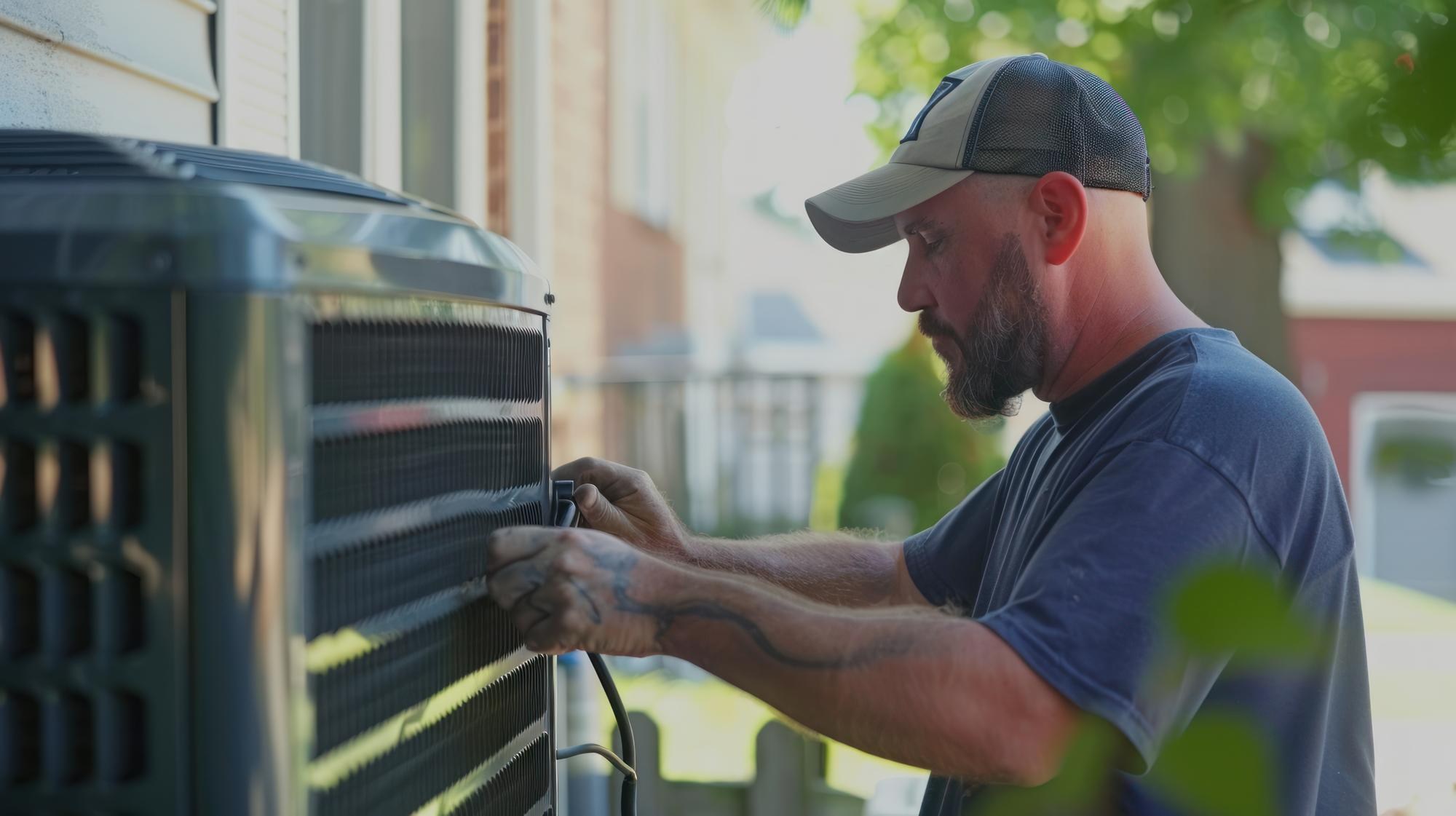
If you want help deciding which upgrades fit your house, local contractors can run a load calculation and provide a plan with expected savings and costs. Look for a contractor who communicates clearly, documents every step, and understands Tucson’s climate realities. The right HVAC improvements will do more than reduce bills, they will give buyers the confidence to move quickly and pay closer to asking price.
Plunkett Home Services
3144 E Fort Lowell Rd, Tucson, AZ 85716
+1 (520) 808-2743
[email protected]
https://callplunkett.com/